
What happens before we care?
As we prepare for our upcoming dinner with artist Sarah Philouze, we find ourselves returning to a simple question: when was the last time we truly looked, long enough?
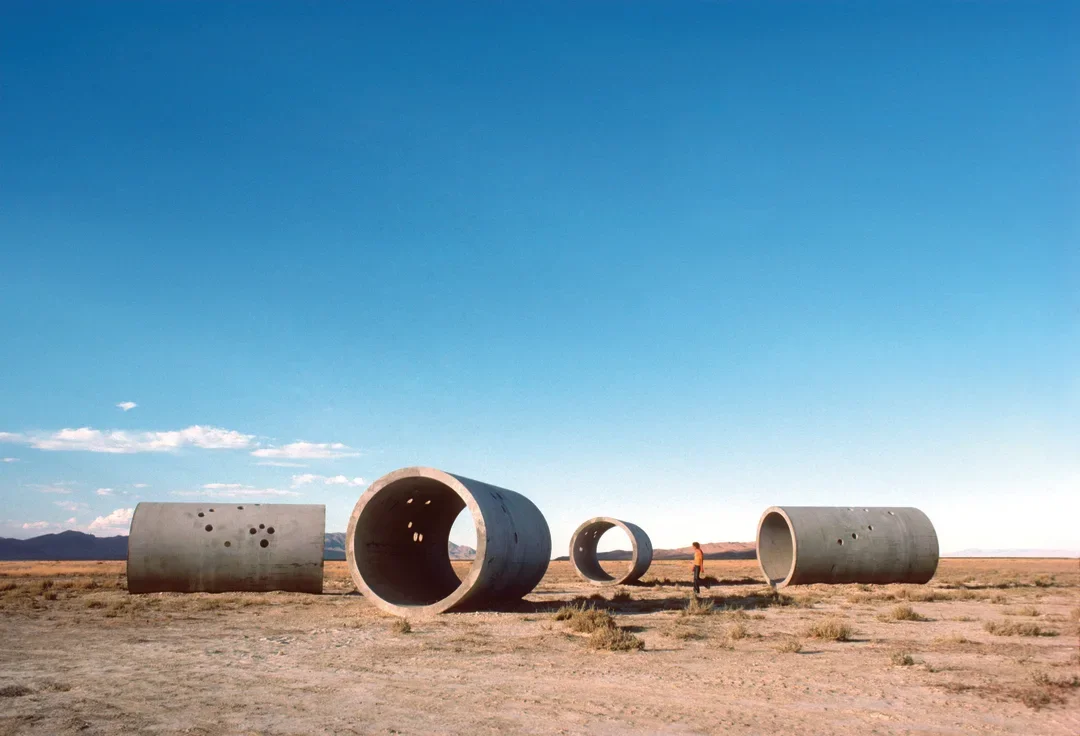
Nancy Holt, Sun Tunnels, Great Basin Desert, Utah, 1973-76
The act of directing attention toward the natural world has long fascinated artists. Nancy Holt’s Sun Tunnels frame the movement of light across the desert. James Turrell’s openings draw the eye toward the sky. Through these gestures, the artists frame our gaze and remind us that attention can become a portal to our belonging. Looking transforms into a radical act of presence, one that draws us into closer conversation with a world that exists far beyond us, yet continually shapes our experience of being alive. The gaze slows, expands, and returns us to the rhythms that sustain both life and our place within it.
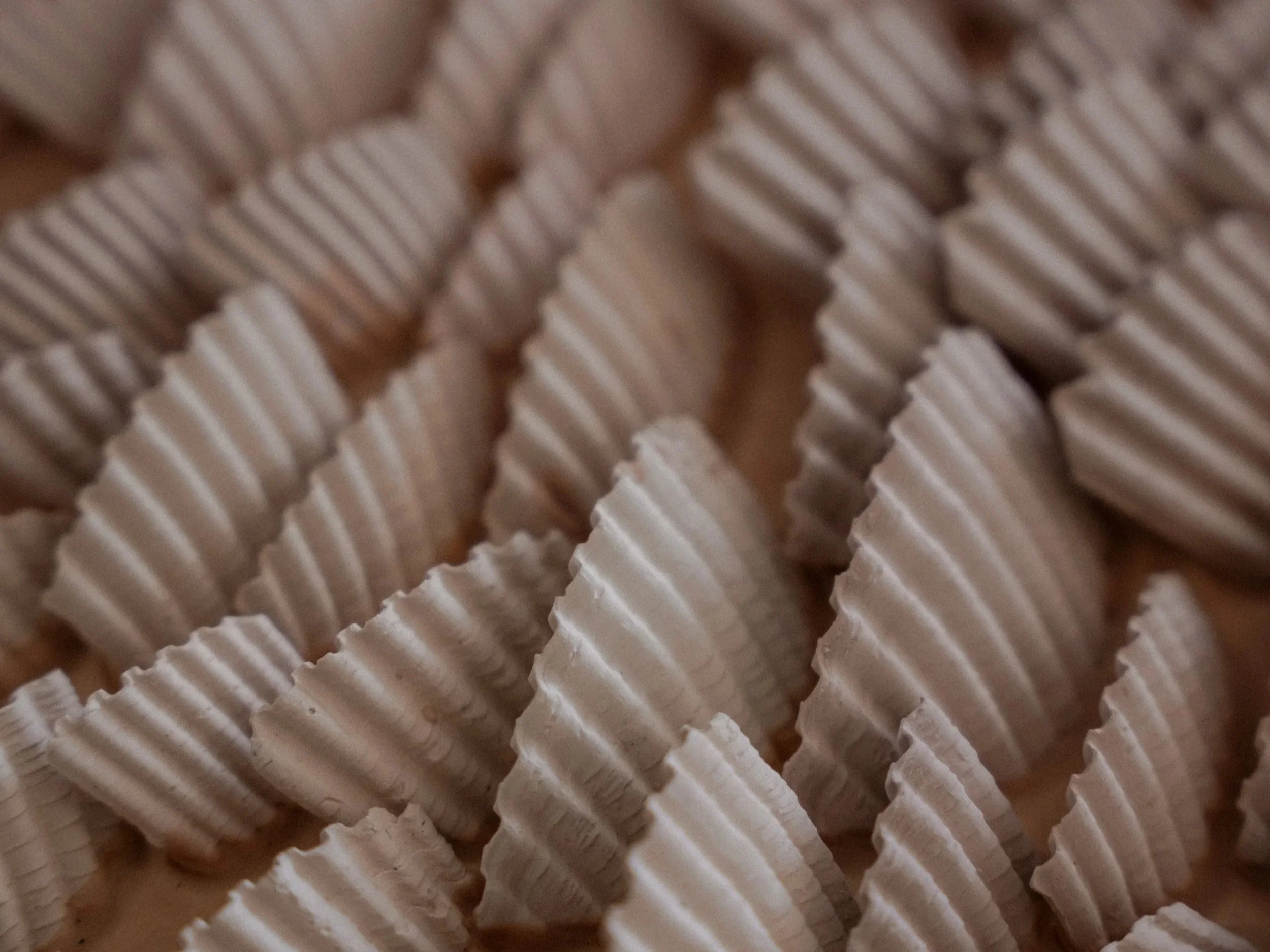
Sarah Philouze, detail
Sarah Philouze’s work carries a similar invitation. Through botanical forms, mythology, and elemental landscapes, she draws our attention toward the intelligence of a familiar natural world. A cast leaf, a seed, a fragment of bark become vessels for memory and imagination, revealing the stories held within growth, decay, movement, and renewal. Her work raises a gentle question: what enters our field of vision when we allow ourselves to linger in the familiar?
Today, this feels especially resonant. Across culture, hospitality, and travel, a collective desire is emerging quenching for gardens, oceans, forests, and open skies. Beyond escapism lies a deeper longing: to re-establish a relationship with what feels enduring, cyclical, and alive.
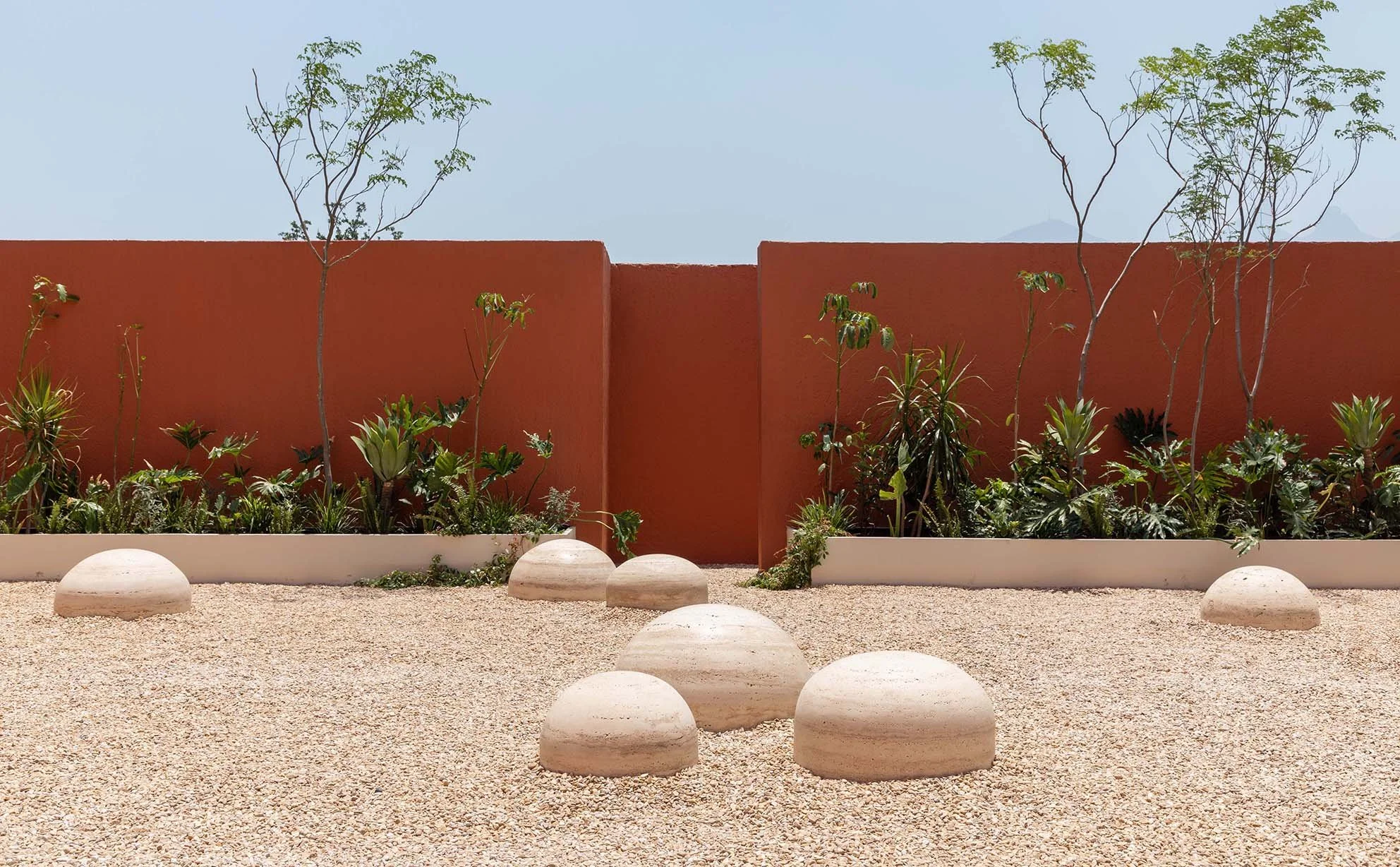
Adeline de Monseignat, Enceinte, Museo de Arte de Monterrey, Monterrey (Museo MARCO), 31 May - 22 September 2024, Courtesy MARCO, Collector gallery and the artist.
Recently, in The Communal Garden, artist Adeline de Monseignat invited people from around the world to share the story of a plant, flower, or tree that holds personal significance. The responses speak of love, childhood, migration, grief, and belonging. Through nature, deeply human stories emerge. A flower carries a memory. A tree becomes a homeland. A garden becomes a shared archive.
Perhaps this is why artists continue to guide our gaze toward the natural world. In an age shaped by acceleration and distraction, sustained attention becomes more than a contemplative act; it becomes a cultural one. Looking long enough invites us to reconsider our place within the living systems that sustain us.
